Monday, August 23, 2010

Hands-On Activities: Byzantine Empire


My kids love getting messy with craft, clay, paint and generally being creative. So this term I have been determined to make sure that we complement our Tapestry of Grace studies with more hands on activities.
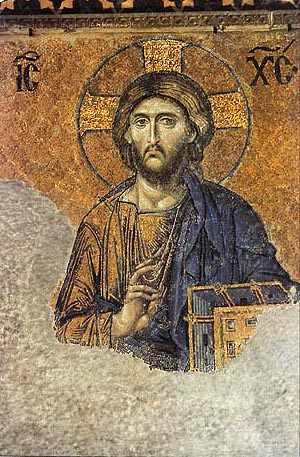
Our study of the Byzantine Empire inspired our art studies and there are so many different art activities one can do. Once we had spent enough time looking at the different aspects of Byzantine art from its architecture to mosaics and brilliant illuminations, I had to decide what we would take on.

Mosaics

  
Print a blackline picture drawn in Byzantine style on card stock, enlarge it and stick your tiles to it. 

Click here for a good source of Byzantine style colouring pages. This idea could easily be adapted to use paper tiles, coloured egg shells or glass tiles.

Other ideas for Mosaics:

Artists Helping Children is a good site with lots of different mosaic ideas.

KinderArt has a cute lesson on bean mosaics.


Frescos


Ms Julie's Art School has a great post on making a fresco using a blackline drawing. In this post, she is using a drawing from a fresco by Giotto Di Bondone but it is easy enough to substitute with one of the Byzantine colouring pages provided in the link above. 

Illuminations


This is the project that we picked in the end and I was very pleased with it. This site is fabulous for teaching your kids about manuscripts and illuminations. They have a slide show which shows a number of different illuminations and asks questions which allow the kids to explore each manuscript more closely and then it gives you more information about the manuscript you are observing. There is another resource that shows you how manuscripts were made, the different roles and the whole process. They also provide templates for you to make your own manuscript illuminations.

Creating a whole manuscript page would have taken more time than we had, so I decided that they should create their own illuminated letter which was a smaller more manageable project.

I found this fantastic PDF lesson on the Art Of Creating Illuminated Letters which I used as the basis of my instruction.  Then I used a free download from Prose and Letters which distilled in one page the essence of how to draw a medieval border. We then surfed online to look at different types of letter fonts and calligraphy to help them decide how they wanted to draw their letter. We used felt tip pens, coloured pencils and various metallic pens to get the right effect.

I was pleased with the end result.


Other Illumination resources:

This Crayon Resist Illumination lesson would be suitable to use with older children.

This Lesson from the Utah Museum of Fine Arts is full of useful information.  

Friday, August 6, 2010

Hands On Activities: Islamic Empire


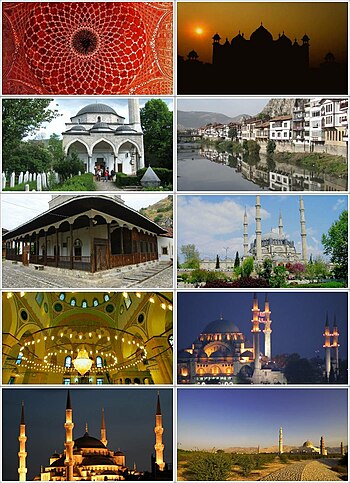
We have just completed week 3 of our Tapestry of Grace studies on the Rise of Islam. A fascinating subject where we learnt a great deal! I am very excited to share two wonderful video links which greatly enhanced our study.

The first is this informative PBS documentary narrated by Ben Kingsley about Muhammad and the birth of Islam.


The second is a brilliant promotional film (1001 Inventions and the Library of Secrets) from a highly acclaimed travelling exhibition called - 1001 Inventions: Discovering The Muslim Heritage In Our World. The short film itself has won many awards and accolades. It is a fine introduction to the achievements and influence of Muslim inventions to our modern world.

We decided on two hands-on activities this week. We constructed a diorama of an Arabian marketplace and we also made a simple study of Islamic art and concentrated on a project about Geometric Art.

The Diorama:

This was was quite a time-consuming project and we've stretched it out over a few weeks. I spent a some time before our project collecting empty cereal boxes, tissue boxes, toilet rolls and cardboard boxes. I also pulled out clothespin pegs, dowel sticks, a few remnant fabrics and old clothes that they could cut and use to dress up their people and stalls. I also purchased clay in case they wanted to make clay people, animals and foods.

First, they found a cardboard base on which to set their market place (we used these great sturdy cardboard wrapping used by the Book Depository to protect our books.)

Next they decided which boxes they would use - tissue boxes were the most popular as they had a nice squat square shape.

My older daughter decided to cover her boxes in newspaper and paint them.


My younger daughter decided to cover hers in colourful crepe paper. She then used dowel sticks broken in half and stuck into the boxes to create the structure for their awnings over their shops. She used a mixture of fabric and crepe paper for the awning.


My younger daughter used pieces of cardboard to create baskets and windows for her buildings. And she used clay to make pots and jugs.


My oldest created little clay fruit for her market stall and also molded a donkey with a cardboard pack to help carry goods.


The people were made using clothespin sticks and wrapped in various fabrics.


I let them do it all by themselves and I  think they did a great job all on their own.


Geometric Art


We started off with a look at Islamic art in general by watching this video (we only watched the first episode).


The video above is a shorter and quite informative BBC documentary that talks about how Islamic art has influenced western art. 


We then went on to explore geometric art using this lesson from the Metropolitan Museum. It was excellent and I highly recommend it. We were taken through elements of geometric art step by step. 


We started off by drawing circles with a compass and more circles at intersecting points. We then discovered the different patterns and shapes that emerged as we did this - flowers, hexagons, stars and triangles. We followed the activities through the process of how to get a template for triangles or hexagons. We played around with beautiful patterns and we enjoyed it tremendously.


These are some of the books we read during our studies. 


Tuesday, August 3, 2010

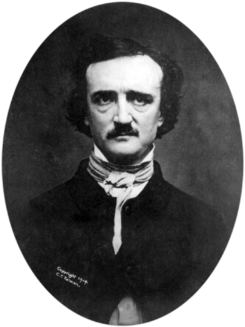
Poetry Appreciation: The Bells by Edgar Allen Poe


Poetry appreciation for us has been a somewhat haphazard affair to date. However, this term I have actually scheduled it into our week and so I am hopeful we will be able to spend more time on it. My girls loved the Brave Writer Poetry class that they participated in a few terms ago and so writing and reading poetry is something they've come to enjoy a great deal. My plan this term is to focus on a few common poetic devices and thus to choose poems that demonstrate those elements.

Last week's elements were Alliteration (something they are already familiar with) and Onomatopoeia. I printed off these colourful wall cards which define each term and I will stick it on our wall each week as I go through the different terms so that the girls can refer to them at any time.

I chose The Bells by Edgar Allen Poe which is an excellent example of both poetic terms. Before  we delved into the poem, I introduced the definition of the two terms. We then looked at some simple examples of onomatopoeia from here. I found this fun interactive activity to help the kids form their own sounds and words to further enhance their understanding of the use onomatopoeia.  

I think this poem is one that really needs to be heard. So instead of me reading the poem out loud, I let them listen to this fascinating rendition of The Bells.


We were very taken by the musicality and tone of the poem and the way it was read by the late Nelson Olmsted ( an American broadcaster and and actor from the 1950s)  and this led the girls onto wanting to hear how other people had approached the reading of this poem. So we checked out some other youtube videos and also some choral renditions of the poem. 


It is a very long poem and we did not spend a long time analyzing it (not this time round anyway).  My goal was for them to experience the poem and the way it sounded when it was read. We did, however, spend some time talking about what the poem meant and the way the sounds enhanced what he was trying to say. You can find some helpful analysis of the poem here. 


Monday, August 2, 2010

Oxygen at Elementary School - Brilliant animated video


Following on from my post about our Chemistry studies - I just had to add this fantastic animated video Check it out!

LinkWithin

Related Posts with Thumbnails